The independent guide to plug-in solar
6 states allow plug-in solar today and 7 more have a bill moving. We keep every state’s rules sourced to the legislature or utility commission and dated, with a payback calculator that uses your own electricity rate and guides to running a panel from a balcony, patio or yard.
Kits you can buy in the US
Picked on published specs, certification and price.
Lowest cost per watt
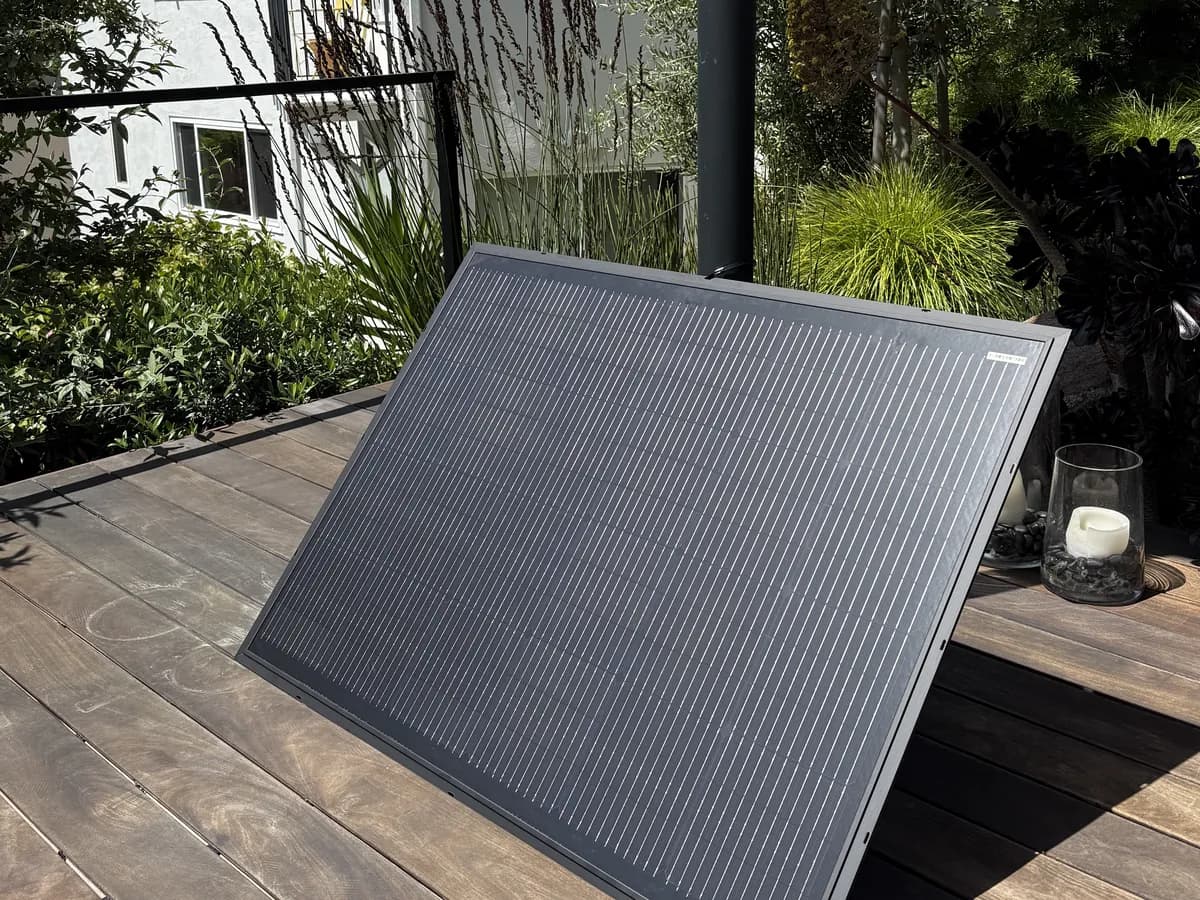
Bright Saver Balcony 360 W
360 W
Two panels and a 360 W microinverter, sold at cost by a nonprofit. The cheapest way into plug-in solar we can find, and the only kit here whose inverter is described against UL 3700.
- Panels
- Two 180 W panels, 46 × 34 in, 11 lb each
- Certification
- Inverter listed as “UL 3700 compliant” (Hoymiles HiFlow Pro LV)
- Warranty
- 12-year inverter warranty
- Price
- $414.17 · Sep 22
Built-in battery
EcoFlow STREAM Ultra
800 W
800 W of on-grid output with 1.92–11.52 kWh of storage, so power made in the afternoon can run the evening. Pairing it with the STREAM Microinverter raises output to 1,200 W.
- Panels
- Not included
- Certification
- “UL1741-Certified & IEEE1547-Certified”
- Warranty
- 10 years
- Price
- See site
Complete kit on Amazon
PluggedSolar 800 W Plug and Play
800 W
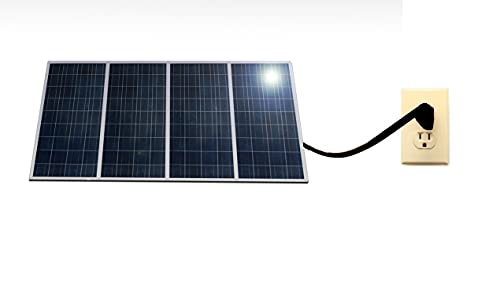
A complete kit sold as one box on Amazon. The panels sit in the sun and the cord goes to an outlet, so nothing is hard-wired.
- Panels
- Four 200 W panels, with a microinverter and a 50 ft cord
- Certification
- Maker calls it “UL 1741 code compliant” but publishes no lab listing.
- Warranty
- Not published
- Price
- $1,395.00 · Sep 22
Most power
Craftstrom 1200 W Plug-in Solar Kit
1,200 W
Six panels and three 350 W microinverters with a smart power meter, for a yard, fence or long deck. The most output of anything here, at the highest price per watt.
- Panels
- Six 200 W bifacial semi-flexible panels
- Certification
- Inverters “ETL-certified to UL 1741 and IEEE 1547”
- Warranty
- 10 years on panels, inverters and power meter
- Price
- $3,309.00 · Sep 22
- Anker SOLIX sells balcony systems in Europe, not in the US. We'll add them when a US model ships.
Is plug-in solar legal where you live?
For all 51, we record what the legislature or utility commission says, link the official source and date it. A record changes when its legislature acts.
Legal
Utah
Utah law lets you plug a portable solar device of up to 1,200 watts into a standard 120-volt outlet without an interconnection agreement, utility approval or utility fees.
Last reviewed 2026-09-20
How plug-in solar works
A plug-in system feeds power into the circuit your home is already using. Your appliances take the solar first, so you buy less from the utility.
Mount it
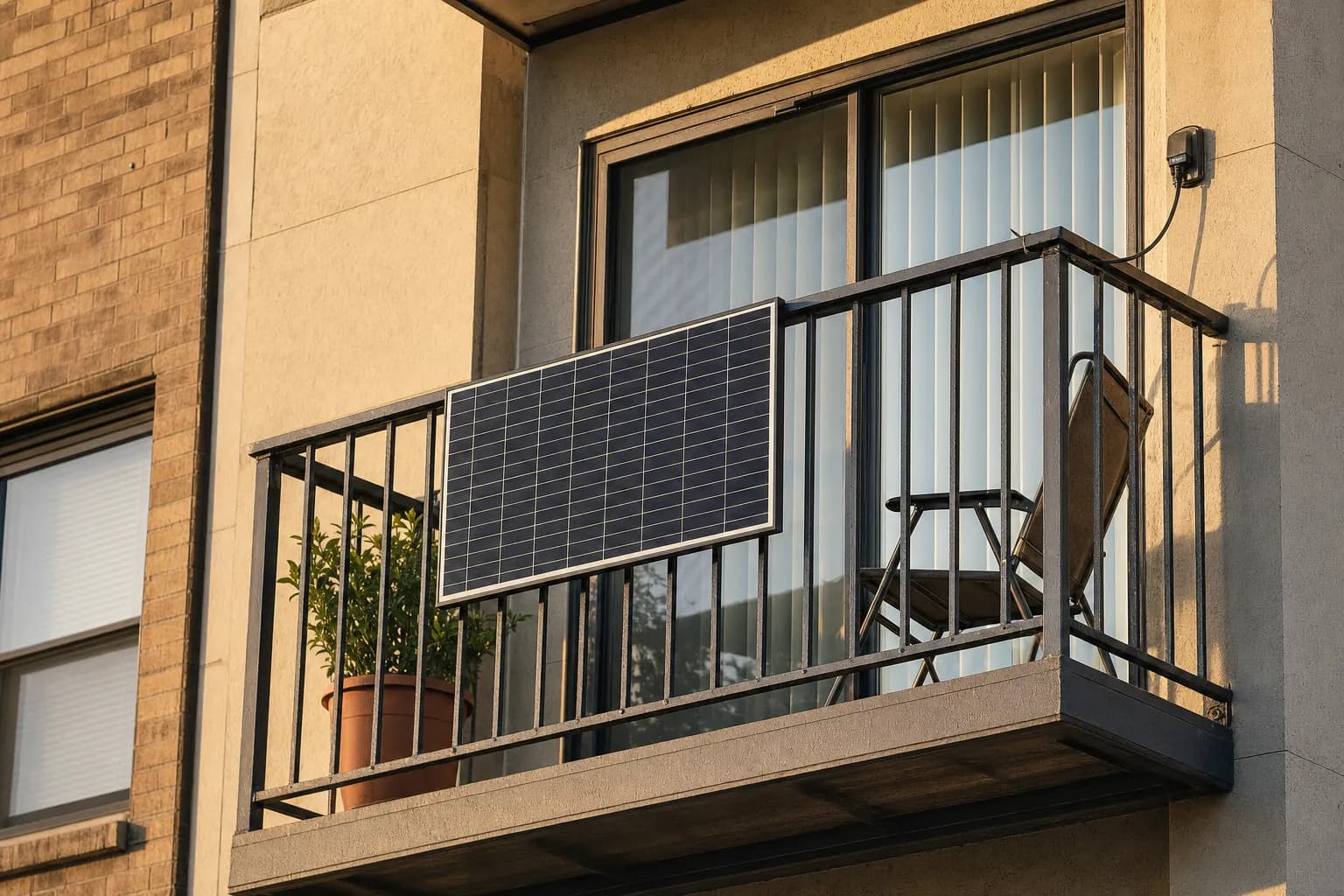
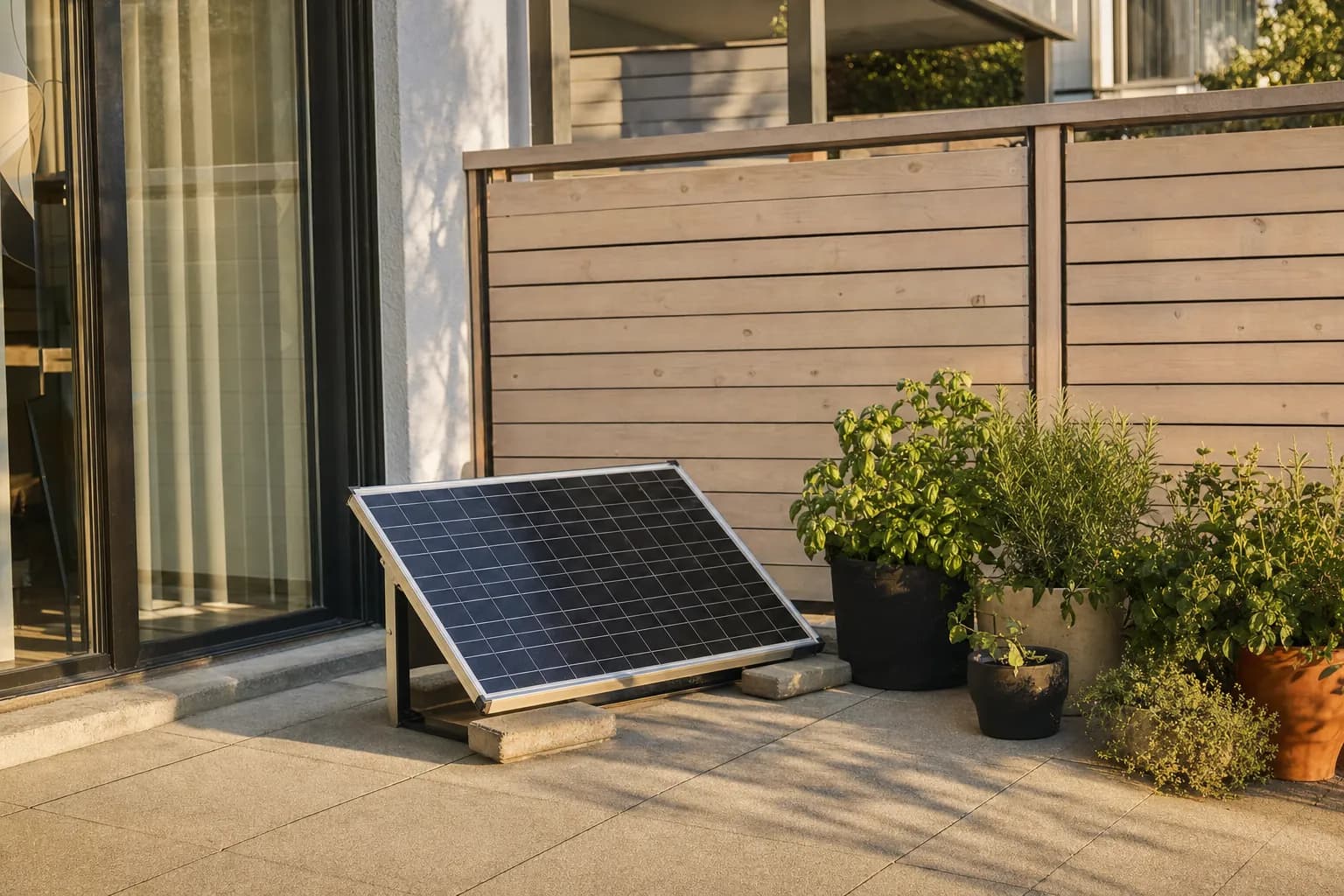
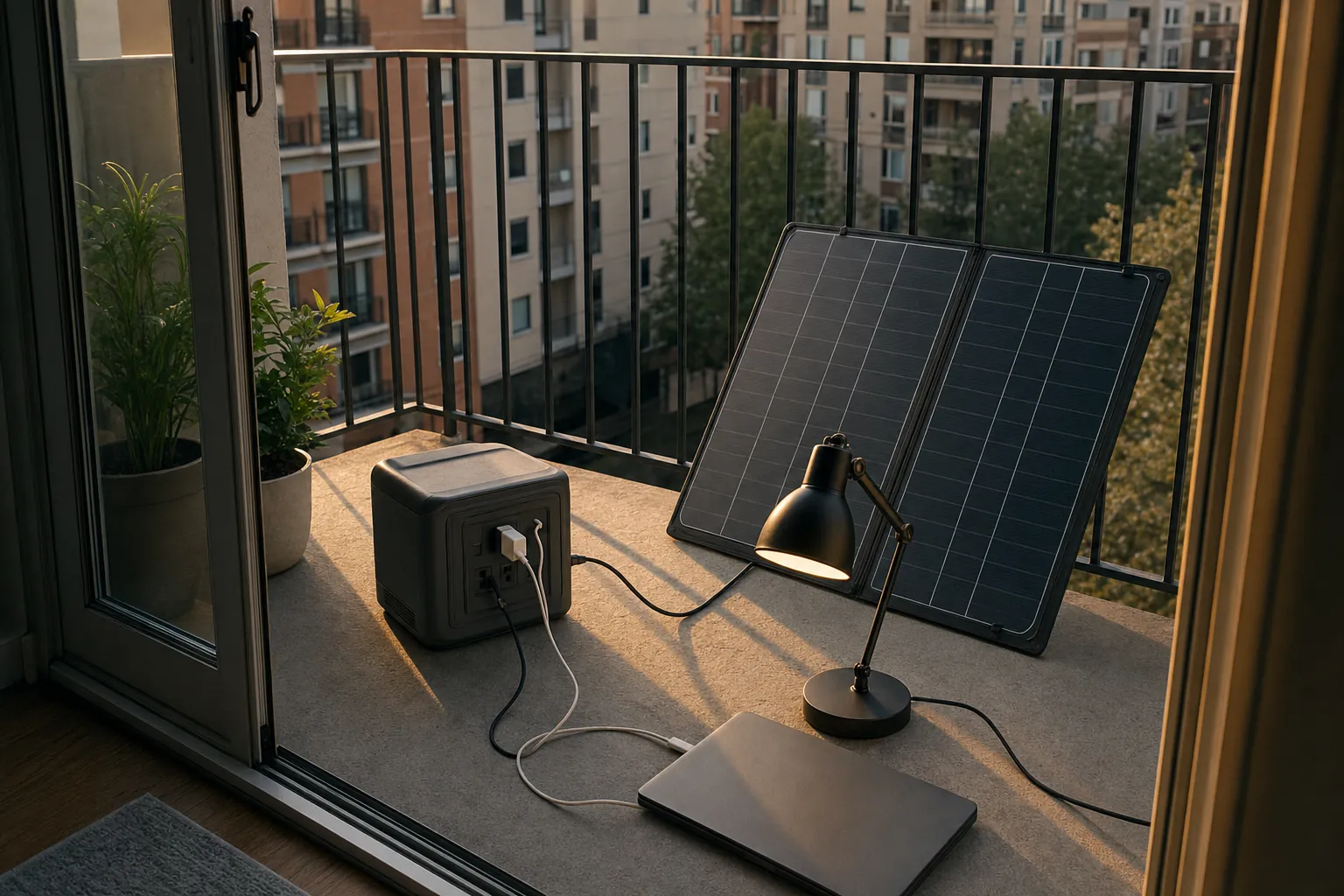
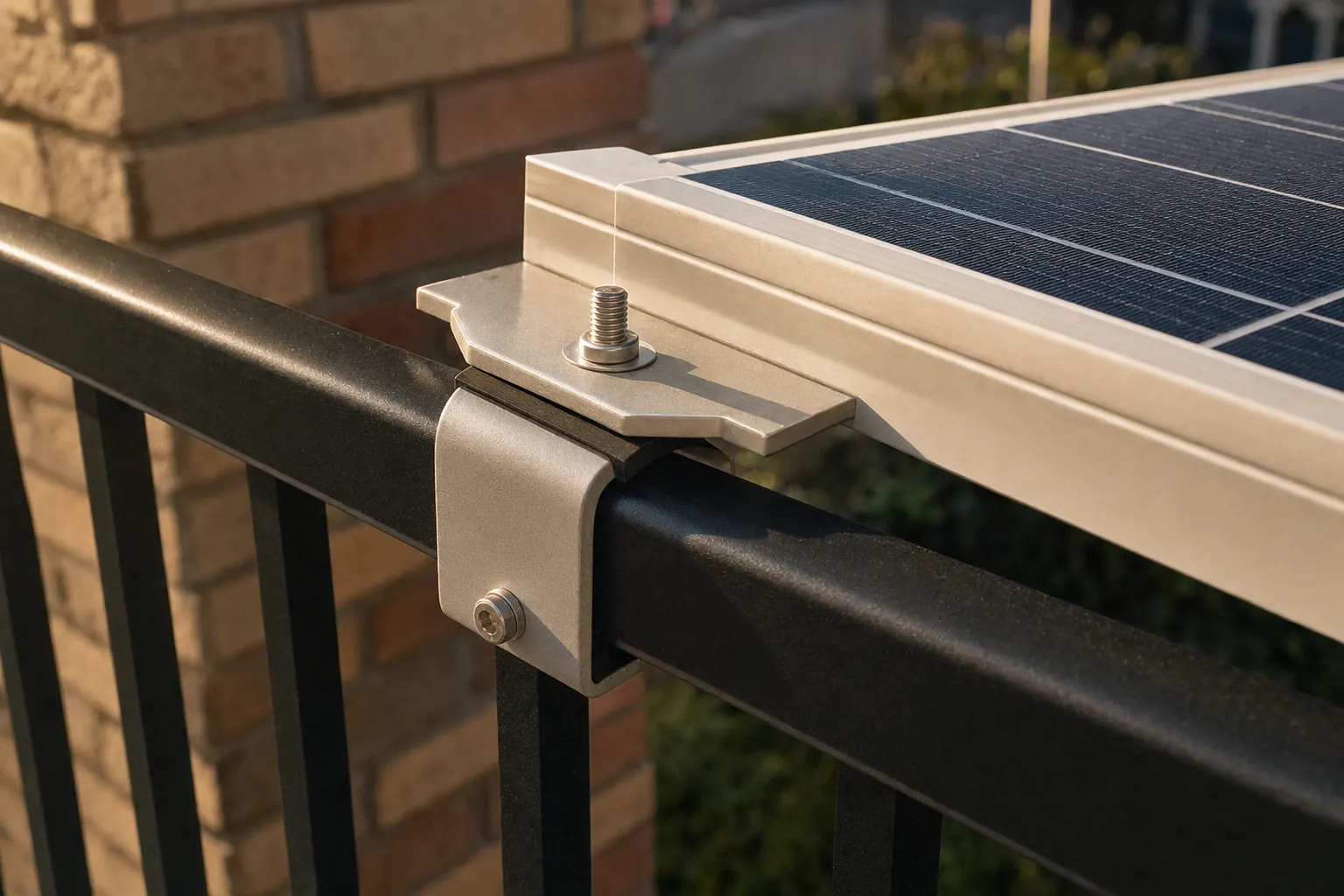
Clip the panel to a railing, stand it on a patio, or hang it on a sunny wall. Nothing is drilled into the roof and nothing is hard-wired.
Plug it in
A microinverter turns the panel's DC into household AC and feeds it through a standard outlet. It only exports when it senses the grid, so it shuts off in an outage.
Use it first
Whatever is running in your home draws the solar before it draws from the meter. You buy less, which is where the savings come from.
If you own your home
A plug-in kit costs hundreds of dollars rather than tens of thousands, and you install it yourself. The guides cover sizing, placement and what it returns next to a rooftop system.
If you rent
Nothing is hard-wired, so the system unplugs and moves when you do. The guides cover mounting without drilling and raising it with a landlord.
If you want to check safety
UL 3700 is the certification outline written for plug-in systems, published in December 2025. Our guide explains what it covers and how to check a product in the certifier's own directory.
Common questions
What is plug-in solar?
A small solar system, usually a few hundred watts to a little over 1 kW, that plugs into a standard outlet instead of being wired into your electrical panel. A microinverter on the panel converts DC to household AC, and whatever is running in your home uses that power before it draws from the meter.
Is it legal where I live?
It depends on the state, and the answer is changing fast. 6 states allow it under a law written for these systems today, and 7 more have bills in progress. Everywhere else, general interconnection rules and your utility's terms still apply. Our tracker gives each state's status with the statute or bill it comes from, and the date we checked.
Is it safe to plug solar into an outlet?
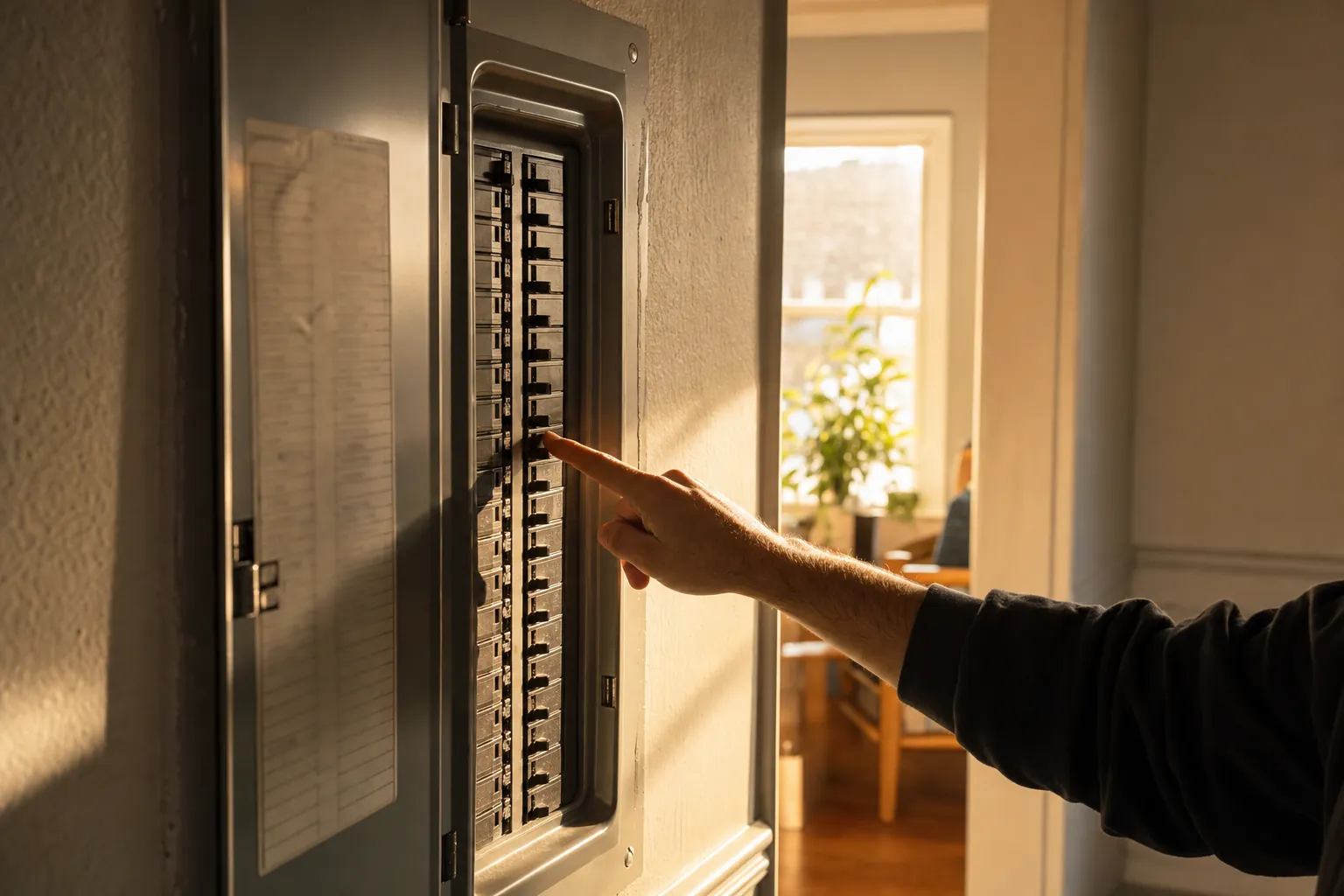
There are two questions: the plug and the circuit. A certified grid-tied inverter stops exporting when it loses grid voltage, but UL notes that the prongs of a plug feeding power can be live while the panel is in sunlight. On the circuit side, a second power source partway down a household circuit can overload the wire without tripping the breaker. The UL 3700 outline was written for these risks, and our UL 3700 guide explains what it covers.
Will it work during a power outage?
No. Anti-islanding, the feature that protects utility line workers, shuts the inverter down when the grid goes down, so it will not run your home in an outage. If you want backup power you need a battery system designed for it.
How much will it save?
It depends on your electricity rate, how much sun the panel gets, and how much power your home draws during the day. Our calculator uses your state's average rate and the modeled output of a panel at your orientation and shade, and shows every assumption next to the result.
State records last reviewed 2026-10-13.