Plug-In Solar Permits: Do You Need One?
Whether plug-in solar needs a permit depends on state law, local electrical code, and your utility. How to check all three for your address.
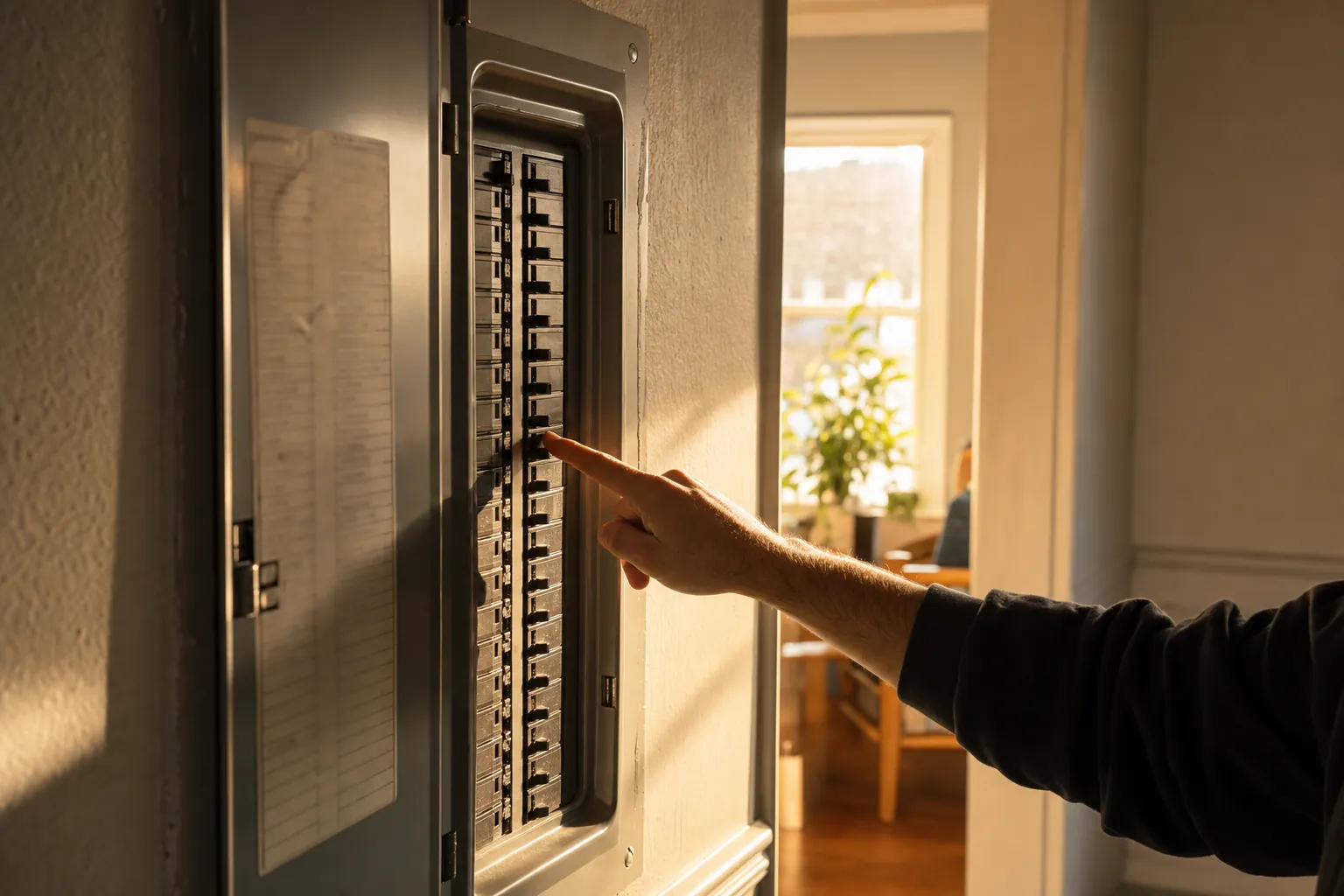
It depends on your address. Whether you need a permit for plug-in solar comes down to three separate questions: what your state's law says, what your local electrical code requires, and what your utility allows. A yes from one doesn't settle the other two.
For your state's answer, go to your state page. This guide explains the three layers so you know what to ask.
Question 1: What does your state's law say?
Until 2025, no US state had a law written for plug-in solar. A growing number now do, and more have bills in progress. These laws create a category for small plug-in devices and set conditions such as a wattage cap and a safety certification requirement.
- A state law may answer the utility question without answering the permit question. In the state laws enacted so far, qualifying devices don't need an interconnection agreement with the utility. Most of those laws don't say anything explicit about local electrical permits.
- Enacted doesn't always mean in effect. Some laws take effect months after they are signed. Your state page shows both dates.
If your state has no plug-in law, that doesn't mean plug-in solar is banned. It means the general rules apply: local code and your utility's tariff. Your state page says which situation you're in and links the official source.
Question 2: What does your local electrical code require?
Electrical permits are issued locally, by a city, county or state building department. The inspectors there are what codes call the authority having jurisdiction. They enforce an electrical code based on the National Electrical Code (NEC), and they interpret it.
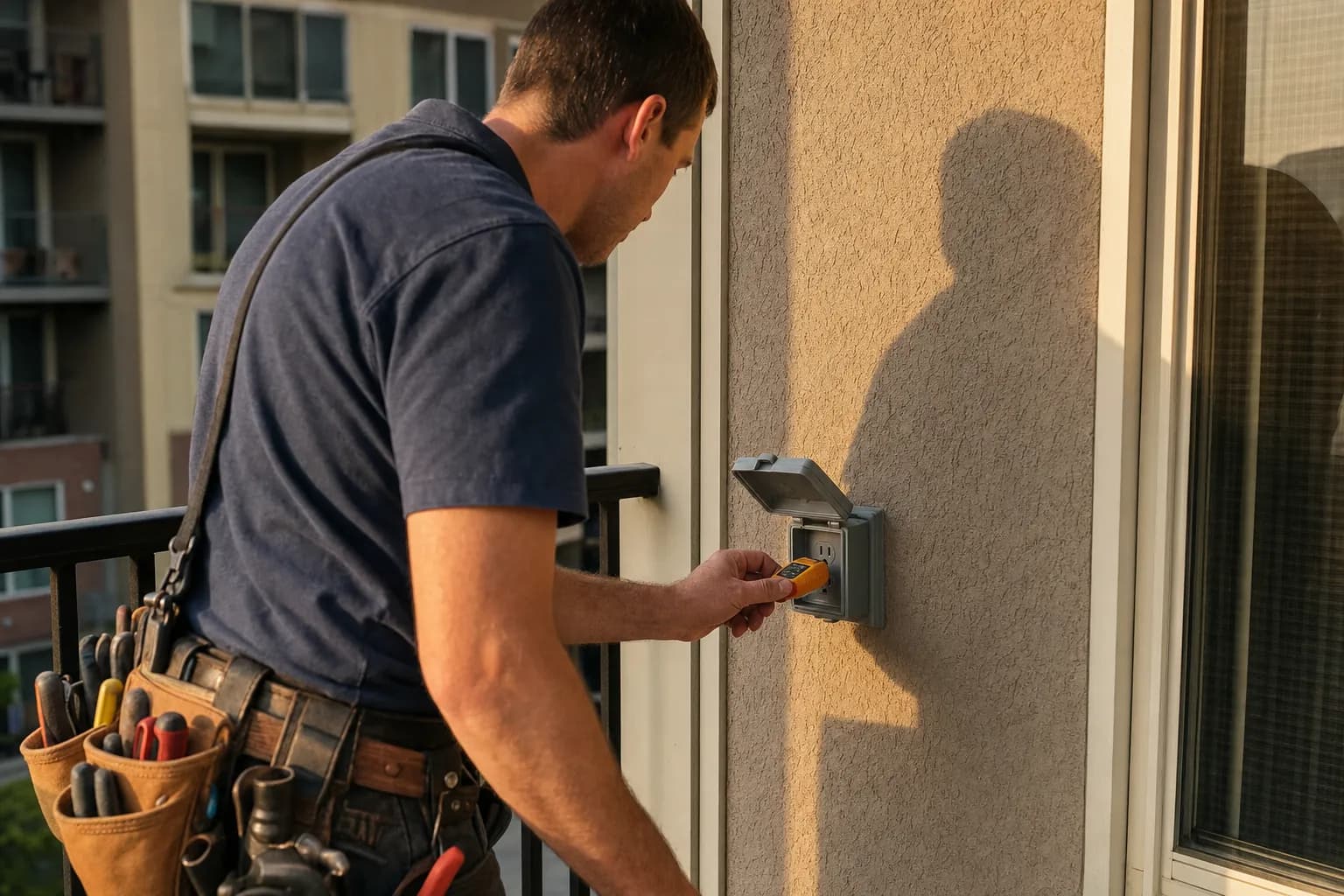
Lawrence Berkeley National Laboratory (LBNL) researchers describe the NEC as the foundation for each state's electrical code, updated every three years. States often build their own codes from the NEC and other model codes, so the exact rules depend on where you live. LBNL also notes that inspectors "can interpret them differently."
According to UL Solutions, the 2026 NEC, "like all previous editions, does not recognize the use of plug-in photovoltaic (PIPV) modules." LBNL's 2025 review of the 2023 edition found several provisions an inspector could read against plug-in systems:
- The solar articles (690 and 705) were written for permanently wired systems. They list approved ways to disconnect, and unplugging isn't one of them.
- Those articles call for installation by "qualified persons." The code doesn't define that as a licensed electrician, but one of the people LBNL interviewed said it is often read that way.
- NEC 400.12 bars flexible cords run through windows or walls or attached to the building.
LBNL also notes that inspectors "have little authority over the plug loads consumers purchase," and that the NEC "generally does not regulate plug loads." A plug-in kit is both a plug load and a generator, so local answers vary.
UL's certification document for plug-in systems, UL 3700, draws its own line. It excludes anything "permanently electrically connected to the premises wiring," which it says falls under local building codes like the NEC. If you have an electrician install a new outlet or circuit for your kit, that wiring work is ordinary electrical work and may need a permit wherever you live.
Question 3: What does your utility allow?
Your utility sets rules for what connects to its grid through your service agreement and its tariffs. LBNL researchers explain that these agreements let utilities regulate what customers connect behind the meter. Many technically require notice of new generation. Customers who export power usually sign an interconnection agreement, which "can be a lengthy and complex process, typically requiring an electrical permit."
For plug-in solar, the utility question usually turns on two things:
- Export. If your kit makes more than your home is using, power flows out to the grid. LBNL found utility responses to unapproved export range from ignoring it, to starting an interconnection process, to disconnecting service. Some kits are built to prevent export entirely.
- Notice or registration. Some state laws require or allow you to notify your utility. Where there's no state law, your utility's own rules apply.
How to find out for your address
- Start with your state page. It shows your state's status, the wattage cap and certification rule if there is one, what the law says about permits and interconnection, and the official source, with the date we last checked.
- Call or email your local building department. Ask: "Does connecting a certified plug-in solar device to an existing outlet require an electrical permit here?" Get the answer in writing, or note the name and date.
- Check your utility's rules. Look for its interconnection or distributed generation page, or ask customer service whether a plug-in device needs notice, registration or an agreement. Ask about export specifically.
- Check your lease, condo or HOA rules. They're not government permits, but they can still stop you. LBNL notes that for renters, getting a permit requires the landlord's permission.
- Keep a record. Save the emails, the product's certification listing, and the date. If your state's rules change, you'll know what you were told and when.
If you get an answer from your building department or utility that differs from our state page, tell us. We'll check it against the source and date the correction.
For how plug-in solar works and what it can do, see the plug-in solar guide. For what certification means, see the UL 3700 explainer.
Sources
- Barriers to Balcony Solar and Plug-In Distributed Energy Resources in the United States (Gerber et al., Lawrence Berkeley National Laboratory, Energies 2025)osti.gov
- The Coordination Between Model Codes and Standards: 2026 National Electrical Code (UL Solutions, The Code Authority)ul.com
- Safety Considerations for Plug-In Photovoltaic (PIPV) Systems for Residential Use (UL Solutions, IAEI Magazine, July 1, 2026)iaeimagazine.org
- UL 3700 Outline of Investigation for Interactive Plug-In PV (PIPV) Equipment and Systems, Edition 1 (UL Standards & Engagement store listing)shopulstandards.com
Questions
Do I need a permit for plug-in solar?
It depends on where you live. Three separate authorities can have a say: your state's law, your local building or electrical department, and your utility. Check your state page first, then confirm locally.
Does a state plug-in solar law mean I don't need a permit?
Not automatically. In the state laws enacted so far, qualifying devices don't need a utility interconnection agreement, but most of those laws say nothing explicit about local electrical permits. Your state page quotes what your law says.
What does the National Electrical Code say about plug-in solar?
According to UL Solutions, the 2026 National Electrical Code, like all previous editions, does not recognize plug-in PV modules. Local inspectors enforce their state or local electrical code, which is based on the NEC, and interpret it themselves.
Why would my utility care about a plug-in kit?
Your service agreement lets the utility set rules for what connects behind your meter. Lawrence Berkeley National Laboratory researchers note that customers who export power normally sign an interconnection agreement, which typically requires an electrical permit.